

Share this page
FacebookTwitterLinkedIn
What Is an Imposter Scam?

An imposter scam is when a scammer lies and pretends to be someone they’re not to trick you into giving them money, access to your financial accounts, or your personal information. Scammers often pretend to be from a business you know or from a government agency — or both. They try to gain your trust and get you to believe they are who they claim to be.


How To Spot Imposter Scams
  • Scammers try to convince you they’re with the government or a business you recognize by faking the caller ID.
  • Scammers give you an employee ID or badge number or use the name of a real government employee.
  • Scammers send official-looking letters with seals and make up government agency names that sound real but aren’t.

Learn more: Sure ways to spot a scammer


How To Avoid Imposter Scams
  • Know that you have rights and legal protections — even if you owe a debt, miss jury duty, or had your identity stolen.
  • Never transfer or send money, cryptocurrency, or gold to someone you don’t know in response to an unexpected call or message.
  • Don’t believe anyone who says you have to quickly move your money to “protect” it. Anyone who tells you that is a scammer.
  • If there’s a problem with your account or identity, always talk about it with someone you trust — especially if the stranger on the phone says it’s serious or involves a crime or claims to be from the government.
  • Don’t click on links or call phone numbers in unexpected messages. If you think the message could be real, verify the story. Contact the organization in question using a phone number, website, or email address you know is real. Don't use the contact information in the unexpected message.


Types of Imposter Scams

Government and Law Enforcement Imposter Scams

Scammers pretend to be from government organizations, law enforcement agencies, or local court systems.

  • FTC impersonators – say you have to move your money to “protect it”
  • IRS impersonators – claim you owe taxes and have to pay immediately, or you’ll be arrested
  • Jury duty scams – say you missed jury duty, and must pay a fine
  • Police / sheriff impersonators – pretend to be the local police, hoping to get you to pay a fine
  • Social Security impersonators – say your benefits will end or your Social Security number will be suspended unless you pay

Learn more: FTC Chairman impersonators | FTC fake “agents” | Fake jury duty websites | Government impersonators | Missed jury duty | Police impersonators

Business Imposter Scams

Scammers pretend to be from well-known businesses.

  • Amazon impersonators – text messages offer fake refunds
  • Geek Squad impersonators –  bogus invoices say you’ll be charged for renewal if you don’t call to cancel
  • Job scams / fake recruiters – offer a job and say you must pay for starter kits, training, or certifications
  • Tech support scammers – ask for money to fix a non-existent computer problem
  • Package delivery scams – say there’s a problem with a package delivery
  • Prize scams – say you must pay or give your information to claim your prize

Learn more: Amazon fake refunds | Amazon suspicious charges | Fed Ex package scams | Geek Squad impersonators | Job scams | Prize scams | Tech support scams | USPS package scams

Family and Romance Scams

Scammers pretend to be a family member or a romantic partner.

  • Family emergencies – scammers pretend to be a loved one in trouble who needs money
  • Romance scams – scammers use fake profiles, build relationships, then ask for money

Learn more: Family emergency scams | Romance scams | Voice cloning scams

More Resources About Imposter Scams

Scammers posing as government agencies or well-known businesses are increasingly going after retirees’ life savings.

People are losing big money to scammers running complicated scams. Here’s how the scam works.

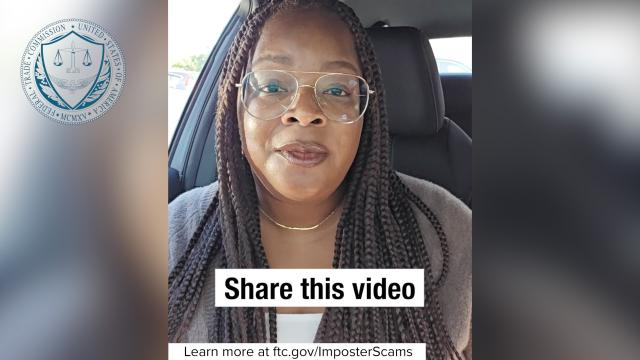
This video short explains what an imposter scam is in under a minute.

What To Do if You Were Scammed

If you paid someone you think is a scammer or gave them your personal information or access to your computer or phone, see What To Do if You Were Scammed.

If you spot an imposter scam, report it to the Federal Trade Commission at ReportFraud.ftc.gov. Your report could help stop a scammer.